

How to Bathe Your Dog Properly in the Summer: Tips and Grooming Products

How to Bathe Your Dog Properly in the Summer: Tips and Grooming Products

Frequent bathing of dogs in summer is one of the topics surrounded by the most myths. Some owners believe that dogs should be bathed after every walk, while others are afraid to bathe their pets even once a month, worrying that this may damage the skin’s natural protective barrier. So, where is the truth?

In this article, we will take a detailed look at all the nuances of summer hygiene for our four-legged companions, learn how to protect the skin’s lipid barrier, and choose the right grooming products.

Why is summer coat care special for dogs?

During summer, a dog’s skin and coat play an important role in thermoregulation. The dense undercoat and fur act as a thermal insulation barrier, protecting the animal from both cold and direct sunlight and overheating. Frequent use of unsuitable products can strip away the natural lipid layer, leading to dryness, flaking, dandruff, and even dermatitis.

Key risks for a dog’s skin in summer:

  • Dust and allergens: Pollen allergens can accumulate on the coat and may cause contact dermatitis.
  • Open water: Water from ponds and rivers may contain bacteria and algae that can cause irritation after the coat dries.
  • Sun exposure: The skin, especially in short-haired and light-colored breeds, is more prone to dryness and sunburn.

Optimal bathing schedule for dogs in summer

The bathing schedule should be tailored to each dog individually, depending on its activity level, coat type, and weather conditions:

  1. Deep cleansing (once every 2–4 weeks): Bathing with a specialized shampoo is generally sufficient for removing persistent dirt and keeping the coat clean and well-groomed.
  2. Rinsing after swimming (as needed): Clean running water without any cleansing products is recommended after swimming in open water. This helps remove salts, bacteria, and other impurities that may cause skin irritation.
  3. Express paw care (daily): Cleaning your dog’s paws after every walk should be part of its daily hygiene routine.

Important: Never use human shampoos or shower gels on dogs! Human skin has a pH of around 5.5 (acidic), while a dog’s skin has a pH of approximately 6.2–7.5 (neutral to slightly alkaline). Human products can disrupt the protective barrier of a dog’s skin and cause irritation and severe itching.

Step-by-step guide: how to bathe your dog properly at home

Step 1. Preparation
Before taking your dog to the bathroom, thoroughly brush its coat. If there are any mats or tangles, they can become even tighter when wet. Place a rubber mat on the bottom of the bathtub to prevent your dog’s paws from slipping and help reduce stress.

Step 2. Water temperature
The optimal water temperature for bathing a dog is 35–37 °C. The water should not be too hot, as this may irritate the skin, but it should not be cold either, as this may cause discomfort and chilling.

Step 3. Applying the product
Thoroughly wet your dog’s coat with water. Lather the shampoo in your hands beforehand or dilute it in a small container with water. Using gentle massaging movements with your hands or a special silicone massage brush, distribute the foam evenly over the entire body. Make sure the product does not get into the dog’s ears, eyes, or nose.

Step 4. Rinsing and drying
Rinse the shampoo thoroughly with plenty of water until all traces of foam are gone. Product residue left on the skin is one of the most common causes of itching. After bathing, gently blot the coat with a towel rather than rubbing it vigorously. In summer, if you use a hair dryer, choose a cool or slightly warm air setting.

Classification and features of choosing grooming products

Care Category / Type Dermatological Specifics Functional Purpose
Light and white coats Prone to yellowing caused by sunlight, dirt, and dust. Gentle removal of yellowish tones without aggressive bleaching agents, helping restore the coat’s natural brightness.
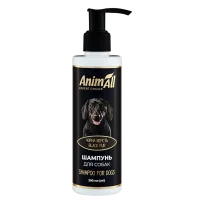
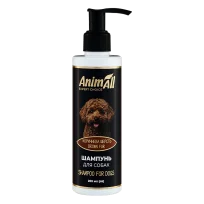
Melanin-rich and deeply pigmented coats (black, red, chocolate) Prone to sun fading, loss of pigment intensity, and dullness. Preserving and enhancing the depth of natural pigmentation, protecting against fading, and adding shine.
Short-haired breeds Lower barrier protection of the epidermis against dust, contact allergens, and direct sunlight. Sebum-regulating and moisturizing ingredients to help prevent transepidermal water loss (TEWL) and skin dryness.
Long-haired breeds Increased risk of matting due to a combination of moisture (sweat, swimming), dust, and friction. Conditioning agents that smooth the cuticle, reduce static electricity, and make brushing easier.
Breeds with silky coats (e.g., Yorkshire Terriers) Lack of an undercoat, hygroscopicity, and increased sensitivity of the coat to external factors. Light, hypoallergenic formulas with silk proteins or keratin, providing intensive nourishment without weighing down the coat.
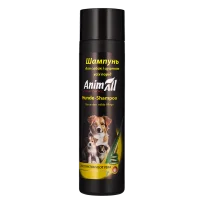
Atopic and sensitive skin Solar dermatitis, irritation caused by plant pollen, dryness, and heat-related redness. Ingredients with soothing and anti-inflammatory properties, such as aloe vera and herbal extracts.
Puppies (age category 0+) An immature epidermal barrier and increased susceptibility to skin dryness. Ultra-mild surfactants, a neutral pH level (6.5–7.2), and no aggressive fragrances or sulfates.
Express care and local hygiene Accumulation of outdoor dirt and contaminants on paw pads; useful in situations with limited access to water, such as travel. Waterless absorbent products (dry formulas) or leave-in gentle foams for quickly removing excess sebum and dirt without causing dryness.

Daily summer hygiene: stress-free express care

There is not always enough time or a need to bathe your dog completely. Modern express-care products are designed for quick and convenient everyday grooming:

Washing paws after every walk
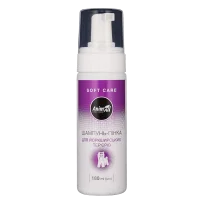
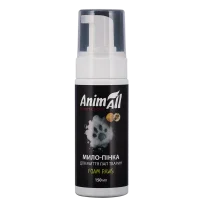
In summer, dust and dirt can accumulate on paw pads. To avoid drying out the skin by washing it repeatedly with regular soap, use a special soap foam for pets. It gently cleanses and moisturizes the paw pads.

Express cleaning without water
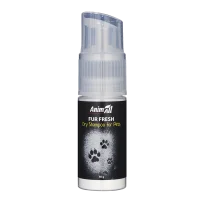
If you are traveling or your dog is afraid of water, a dry shampoo for pets can be an excellent solution. It absorbs excess sebum, helps eliminate unpleasant odors, and refreshes the coat without the need for water.

Frequently Asked Questions (FAQ)

Can I bathe my dog every day in summer if it is very hot outside?
No, you should not give your dog a full bath with shampoo every day. Even the mildest products can strip away the skin’s natural protective lipid layer when used daily, leading to flaking, dry skin, and severe itching.

Why shouldn’t I bathe my dog immediately after a long walk in hot weather?
Immediately after returning from a walk, a dog’s body may be overheated. Placing the animal under cold or even moderately warm water too quickly may cause vascular spasm or thermal shock. Let your dog rest for 15–20 minutes in a cool room and drink some water. Only begin hygiene procedures once its breathing and body temperature have returned to normal.

Does my dog need to be blow-dried in summer?
It depends on the coat type and the temperature indoors. Long-haired breeds and dogs with a dense undercoat should be dried because moisture trapped close to the skin in hot weather can create a “greenhouse effect,” contributing to skin irritation and dermatitis. However, use only cool or slightly warm air (never hot air) and make sure your dog is not exposed to a draft while its coat is wet.

Conclusion

Proper bathing in summer is not just a matter of cleanliness — it is also an important part of preventing skin and coat problems. Using specialized shampoos, following the correct bathing technique, and regularly caring for your dog’s paws can help maintain your pet’s comfort and well-being even on the hottest days.

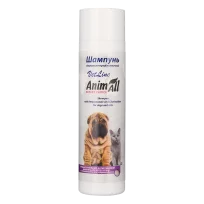
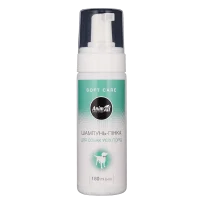
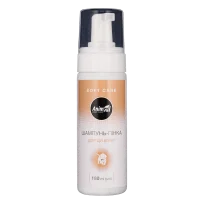
The AnimAll range of grooming products makes it easy to choose suitable care for almost any need — based on coat type, age, breed, or cleansing method. This allows pet owners to create a comprehensive grooming routine that makes summer walks even more enjoyable and safe.

How to Bathe Your Dog Properly in the Summer: Tips and Grooming Products

Related Products

Related Articles